Top Weight Loss Calculators for Effective Results
Embarking on a weight loss journey can often feel overwhelming, with numerous methodologies, nutritional plans, and fitness regimens vying for attention. However, the integration of technology has ushered in a new era of weight loss tools, with calculators that help track calories, macros, and fitness progress leading the charge. These tools not only simplify the complex nuances of dieting and exercise but also empower individuals with data-driven strategies for sustainable weight loss success.
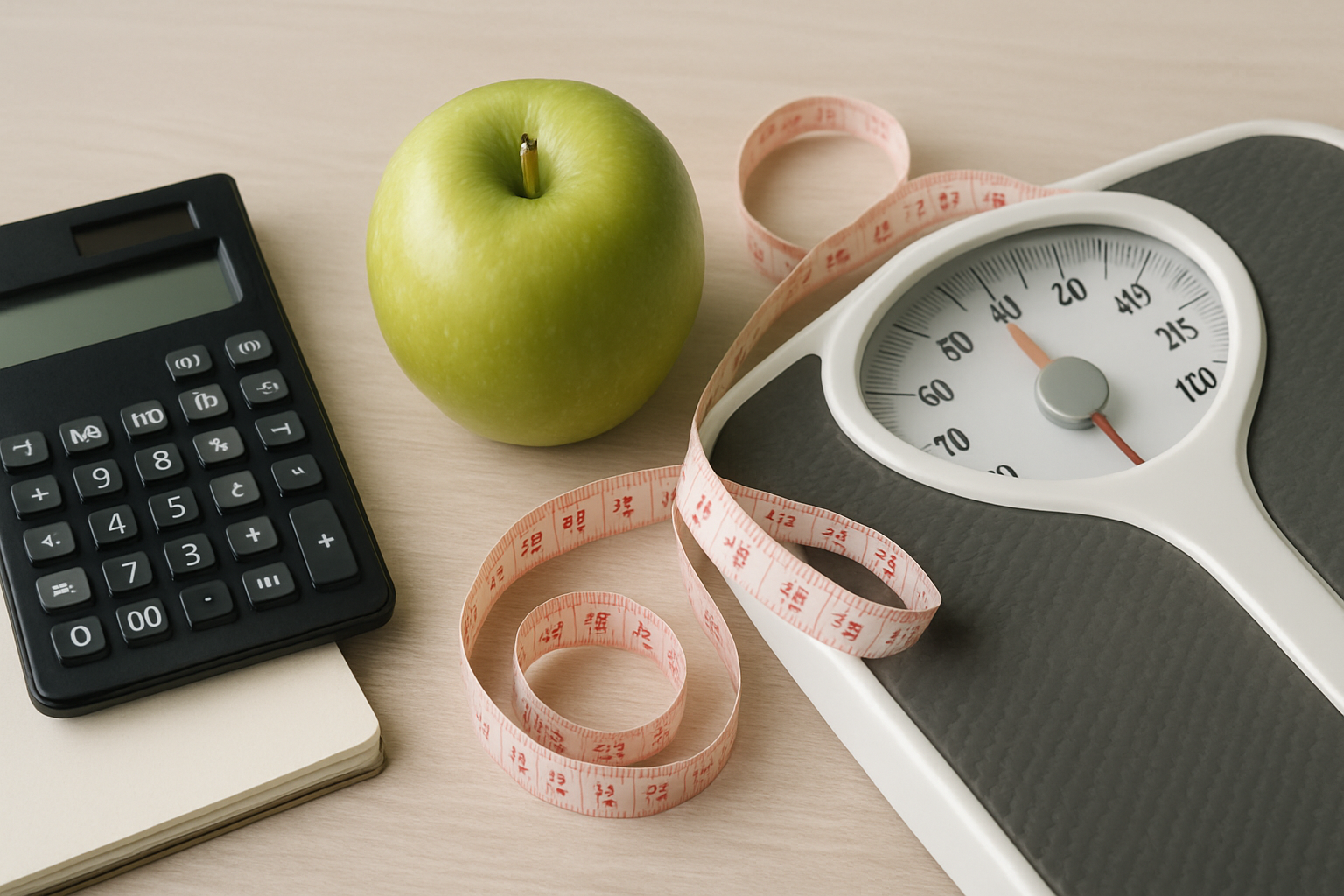
Why Implement Weight Loss Calculators into Your Routine?
Weight loss calculators are pivotal in crafting a personalized and effective weight loss strategy. They offer more than static numbers; they provide dynamic data that evolve with your progress. For instance, understanding your Basal Metabolic Rate (BMR) is crucial, as it indicates the number of calories your body requires at rest. This knowledge becomes the cornerstone for creating a calorie deficit, a crucial element in weight loss.
Meanwhile, Body Mass Index (BMI) offers a useful guideline to determine if you are within a healthy weight range. While BMI has its limitations—such as not accounting for muscle mass versus fat—it remains an effective starting point for many embarking on their weight loss journey. Utilizing these calculations can propel you to develop the best meal plan and workout plan catered specifically to your body’s unique requirements.
Delving Deeper into BMI and BMR
BMI is especially beneficial for initial assessments. With its simple formula of weight divided by height squared, it provides a quick snapshot of whether you’re underweight, at a healthy weight, overweight, or obese. Although it doesn’t decipher the quality of weight, like muscle to fat ratio, it sets a baseline.
BMR, on the other hand, is integral for setting caloric intake targets. Calculation of BMR takes into account variables such as age, gender, height, and weight, offering a tailored insight into maintaining, losing, or gaining weight. It’s the nutritional compass guiding you through the intricacies of meal and fitness diet plans.
Top Weight Loss Calculators You Should Try
There are numerous weight loss calculators that stand out in the digital landscape. Their user-friendly interfaces and accuracy make them indispensable tools in modern weight management.
- MyFitnessPal: Attracting millions of users globally, MyFitnessPal stands as the best calorie counter app for weight loss. Its comprehensive database allows users to log over a million food items and monitor their daily nutrient intake meticulously. The app also syncs with various fitness devices, ensuring that your calorie deficit aligns with your physical activity levels.
- LoseIt!: Known for its simplicity and personalized recommendations, LoseIt! provides a streamlined interface that encourages users to log their daily food intake effortlessly. Coupled with visual progress charts, it helps maintain motivation by illustrating tangible progress.
- Macro Calculator by Precision Nutrition: Specially designed for counting macros for weight loss, this tool offers nuanced insights into protein, carbohydrate, and fat distribution tailored to specific dietary needs. Knowing how to count macros for weight loss can refine your dietary approach, shedding light on areas needing adjustment.
- Cronometer: This advanced app goes beyond calorie tracking by offering insight into micronutrients. For those serious about holistic health, this feature ensures that vitamin and mineral levels are optimized, complementing the typical macro-focus.
How to Effectively Integrate Weight Loss Calculators
Consistency is key when integrating calculators into your routine. Establishing a habit of daily logging—even on non-perfect days—ensures accountability and fosters realistic goal-setting. Begin by accurately logging all food and drink intake with your chosen calorie counter app. Avoid underestimating portions; this common oversight can skew data, hampering progress.
- Use a fitness tracking device in conjunction with your calculator to ensure activity levels are accurately represented. The synergy between tracking devices and apps like MyFitnessPal can offer unparalleled precision.
- Adapt your diet based on calculator feedback. If a macro calculator highlights excessive fats but inadequate protein, adjust meal plans to introduce more lean meats, legumes, or protein alternatives.
- Reevaluate BMR as weight changes occur. Remember, as you lose weight or gain muscle, caloric needs shift. Regularly updating your stats ensures the calculator remains relevant and effective.
Maximizing Results with Meal Preparation
Meal prep is an ally in the quest for effective weight loss, helping maintain discipline and reducing impulsive food choices. By planning meals in advance, you ensure alignment with your macro and calorie goals. Creating a structured meal prep routine facilitates healthy meal prep for weight loss, enhancing consistency.
A standard approach involves setting aside specific times during the week to prepare meals for the upcoming days. Using weight loss calculators, like those mentioned, guides portion sizes and ingredient choices, ensuring each meal contributes positively to your diet and fitness plan. Not only does this practice save time and reduce stress, but it also sets a foundation of nutritional reliability, crucial for steady weight loss progress.
Summary: The Road to Achieving Weight Loss Goals
Ultimately, weight loss calculators are more than digital tools; they are companions in your wellness journey. By providing detailed insights into caloric intake, macronutrient distribution, and overall dietary patterns, they form the backbone of effective weight management strategies. When paired with regular exercise and disciplined meal preparation, these calculators empower users to transform goals into achievable milestones, fostering a lifestyle of health and vitality.