Top Platforms to Accurately Calculate Daily Calories in 2026
In the quest for better health and fitness, accurately tracking daily calorie intake remains a cornerstone strategy. With the evolution of digital tools, individuals can now access platforms that not only tabulate calories but also offer insights into macronutrient distribution and overall dietary patterns. As we delve into 2026, these platforms have become more intuitive, harnessing technology’s power to provide users with personalized and intelligent guidance. Whether your aim is weight loss, muscle gain, or maintaining a healthy lifestyle, these platforms are indispensable allies, offering a blend of scientific precision and user-friendly interfaces.
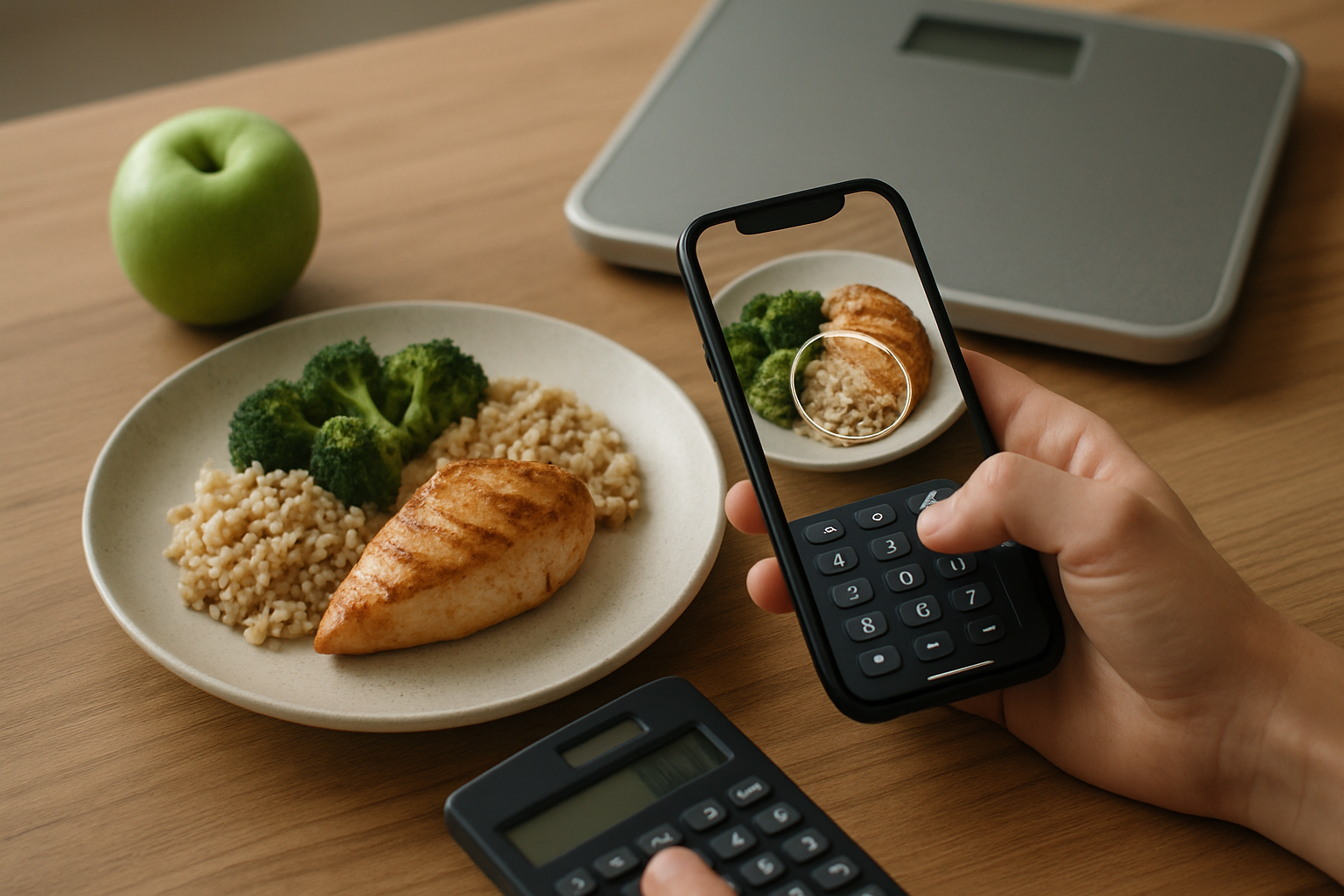
Advanced Calorie-Tracking Platforms
As technology continues to advance, calorie-tracking platforms have become integral tools for many seeking to achieve their health and wellness goals. These platforms now extend beyond traditional calorie counting to incorporate features like macro tracking and personalized diet plans. They even use AI-driven recommendations to provide tailored advice.
Here are some of the leading platforms to consider in 2026:
- MyFitnessPal: Renowned for its comprehensive food database that boasts over 11 million foods, MyFitnessPal makes logging meals straightforward and efficient. Users can easily view their diet weight loss chart and access valuable insights on daily caloric intake and macro distribution. The app also integrates with fitness trackers to provide a complete view of energy balance.
- Lose It!: This app has carved a niche by blending calorie tracking with social engagement. Users can connect with friends to exchange tips and stay motivated. Lose It! offers personalized weight loss plans and utilizes barcode scanners to simplify food logging. Their Challenges feature keeps users engaged with community-based goals.
- Cronometer: For those who take their nutrition seriously, Cronometer delivers detailed data on macro and micronutrients. This app stands out by offering comprehensive nutritional analysis, helping users understand how different foods contribute to their objectives. It also supports custom food logging and boasts a vibrant user community.
Free Calorie Deficit Calculators
Creating a calorie deficit is central to weight loss, and free calculators available on these platforms are incredibly useful. They allow individuals to set realistic goals by projecting the energy expenditure required to lose weight safely and effectively. Here’s a step-by-step guide to using these calculators:
- Determine your Basal Metabolic Rate (BMR): This metric calculates the calories your body needs at rest to maintain basic physiological functions. Tools like the Harris-Benedict or Mifflin-St Jeor equation are typically used.
- Account for daily activity: Incorporate your lifestyle and exercise habits to calculate Total Daily Energy Expenditure (TDEE). Whether you lead a sedentary lifestyle or train intensively, adjusting the activity factor is vital for accuracy.
- Set a target deficit: Establish a safe calorie reduction—usually, a deficit of 500 to 1000 calories per day is recommended for steady weight loss of about one to two pounds per week.
Many platforms offer free versions of these calculators, making it easy for users to get started without initial cost, though premium features might be available for those looking to dive deeper.
Counting Macros for Weight Loss and Muscle Gain
Counting macronutrients—proteins, fats, and carbohydrates—plays a crucial role in both weight loss and muscle gain. Understanding how to distribute and track these macros can significantly impact your physical transformation and performance outcomes.
Platforms like MyMacros+ or MacroFactor specialize in helping users tailor macro distributions to their specific goals, whether they relate to how do you count macros to lose weight or build muscle. Here are the core functionalities:
- Goal Setting: Users can customize their macro ratios according to their desired outcomes. Whether following a high protein diet for muscle gain or a balanced macro setting for general health, these platforms provide flexible options that cater to individual needs.
- Macro Tracking: Offering detailed charts and progress reports, these apps ensure you are consistently hitting your macro targets. Weekly summaries and visual feedback identify patterns and help adjust eating habits effectively.
- Nutritional Guidance: As you learn how to track macros for weight loss, these platforms provide insights and suggestions to optimize dietary adherence. Some utilize AI to recommend foods that could better align with your macros while maintaining overall nutritional balance.
Calorie Deficit Planners
Understanding and applying a calorie deficit is crucial for effective weight management. A calorie deficit planner assists in constructing a sustainable approach by considering not just the numbers, but also incorporating behavioral and emotional factors that may influence your dietary choices.
These planners frequently offer:
- Personalized Insights: These platforms adapt to your ongoing progress, automatically adjusting calorie and macro recommendations as you meet or struggle with goals, usually based on data from various entries.
- Health Tracker Integration: They pair seamlessly with fitness and health devices, creating a more accurate picture of your calorie expenditure by syncing workouts and even daily step counts.
Apps like Noom further implement psychological techniques to help users build healthier habits, addressing not only how to track your macros but why certain foods may be more appealing, thus teaching users to make more mindful choices consistently.
Integrating Workouts for Maximum Effectiveness
Combining rigorous workout regimes with precise dietary planning can lead to significant improvements in health and fitness outcomes. Platforms not only aid in calorie counting but also provide workout recommendations aligned with your nutritional plans.
For example, apps like Freeletics or Seven offer customizable workouts that focus on both weight loss and muscle gain. These apps use algorithms to suggest exercises that complement your dietary consumption, ensuring that the energy you expend matches your dietary intake goals.
Leveraging these tools can help you develop a balanced routine where diet and exercise work synergistically towards achieving your health objectives.
Conclusion
In 2026, the confluence of technology and nutrition science provides a robust resource for personal health management. By using advanced tracking platforms, calorie deficit calculators, and meal planning applications, you can navigate the journey towards better health with actionable insights that are both comprehensive and easy to implement. Continuous improvements in app capabilities mean achieving weight loss, muscle gain, and overall fitness is within reach, leading to more personalized and successful health transformations.
Glossary
- BMR (Basal Metabolic Rate): The number of calories required to keep your body functioning at rest.
- TDEE (Total Daily Energy Expenditure): The total number of calories you burn in a day, combining your BMR and physical activity level.
- Macros (Macronutrients): Nutrients required in large amounts that provide the energy needed to maintain body functions and carry out daily activities, including proteins, fats, and carbohydrates.
Disclaimer
Disclaimer: The information provided in this article is for educational and informational purposes only. It does not constitute professional advice. Readers should conduct their own research and consult with qualified professionals before making any decisions.