Top Kids Programming Games in 2026
In an era where digital literacy has become as essential as traditional literacy, understanding the language of computers is no longer optional—it’s imperative. The way children learn to code is evolving, combining elements of play and learning through interactive platforms that captivate young minds. In 2026, coding games have become a cornerstone in education, helping kids decipher complex concepts in a manner that’s engaging, intuitive, and impactful. With a plethora of resources at their fingertips, children are equipped to explore programming languages right from their living rooms or classrooms.
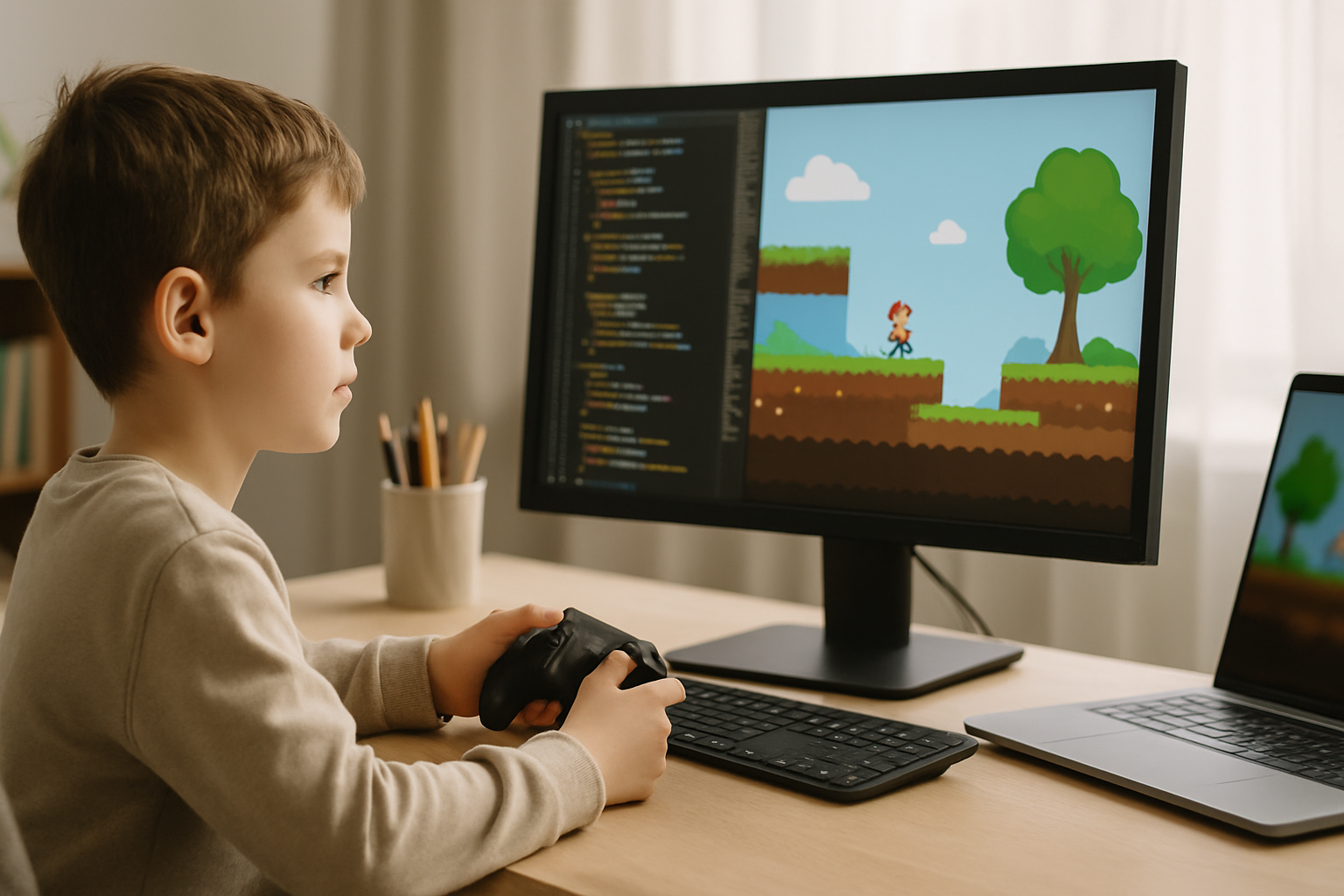
Unleashing Creativity with Blockly-Based Platforms
One of the most revolutionary educational tools for children in recent years is the Blockly Platform. This intuitive system provides an accessible gateway into the world of block-based visual programming languages, which helps simplify coding for young learners. Unlike traditional text-based languages, Blockly uses visual blocks that mimic the piece-by-piece nature of coding, allowing children to grasp complex programming concepts without the intimidation of lengthy syntax. It’s a significant advantage, enabling seamless learning across various age groups.
For many educators, leveraging the Blockly Source Code offers a versatile foundation for creating tailored educational experiences. The potential to customize these tools fosters an adaptable learning environment where students can progress at their own pace. With classes spanning from early elementary to high school graduates, the Blockly environment adapts effortlessly, proving it to be an invaluable tool within educational settings.
The Leading Blockly Coding Apps
- Scratch: Scratch provides a gentle introduction to coding by allowing kids to create stories, games, and interactive art. Its vibrant community encourages collaboration, enabling children to learn from and build upon each other’s projects.
- Tynker: Known for its creative projects, Tynker offers a rich palette of possibilities, from Minecraft modding to drone programming, which stokes a child’s interest and promotes sustained engagement with increasingly complex challenges.
- Blockly Games: Specifically designed to offer a progressive learning experience, these games build a student’s coding abilities gradually, enhancing both confidence and competence in computer science puzzles.
The effectiveness of these platforms lies in their adaptability and the inclusion of familiar themes and storytelling elements to make learning not just educational, but also adventurous and fun.
Enhancing Problem-Solving Skills with Gamification
The concept of gamification propels these educational tools beyond rote learning, weaving together play and education in an innovative tapestry. Platforms like Blockly Programming Online introduce problem-solving challenges wrapped in the guise of games. This method fosters an environment where children are more likely to stay engaged, even when the material becomes challenging.
Enhanced Problem-Solving Skills: Gamified learning immerses children in virtual environments where they have the autonomy to direct their pathways. They make decisions, experience the consequences, and learn through trial and error. Thus, they cultivate critical thinking skills that are crucial for navigating future technological landscapes.
- Cognitive Development: This mode of learning strengthens abilities like logical reasoning and memory retention. Direct interaction with tasks helps in embedding concepts deeply within a child’s mind.
- Collaborative Learning: Many platforms encourage teamwork, helping kids learn the value of collaboration while engaging in problem-solving activities with peers.
The use of familiar gaming mechanics, such as level progression and point systems, ensures that students remain motivated and committed to pursuing further challenges, while also fostering a healthy competitive spirit.
Wider Accessibility Through Web-Based Tools
Accessibility has always been a barrier in education, but blockly for web platforms have broken down many of these barriers by offering web-based versions of coding tools. This ensures that learning is not confined within the walls of a classroom or restricted by geographic location. Instead, learners from diverse backgrounds come together on a cohesive digital plane.
Inclusive Learning: With internet access, students can utilize the formidable resources of Blockly from virtually anywhere. Such availability democratizes the learning process, allowing children from various socio-economic backgrounds to engage in 21st-century skills development.
Moreover, web-based tools provide parents and educators the opportunity to monitor progress in real-time, adjusting learning paths as required. This level of oversight supports a comprehensive approach to individual learning needs.
One highly effective tool is the Blockly Mobile App, which extends learning opportunities beyond desktops, offering a seamless experience on tablets and smartphones—devices that children are naturally inclined toward using.
Conclusion
As we delve deeper into 2026, the fusion of coding education and digital play is revolutionizing the way children perceive technology. By embedding block-based visual programming languages into their educational journey, we’re preparing young minds for a future where technology is an integral part of professional and personal landscapes. Understanding these tools’ nuances ensures that educators, parents, and policy-makers can navigate the evolving learning space effectively, fostering a generation that’s not only technologically adept but also equipped to innovate and lead in a rapidly changing world.
Glossary
- Blockly: A visual language that simplifies coding into drag-and-drop blocks for easier understanding.
- Gamification: The application of game-design elements in non-game contexts to enhance user interaction and engagement.
- Block-Based Visual Programming Language: A method of programming where code is constructed using visual blocks rather than text lines, simplifying the coding process.
Disclaimer: The information provided in this article is for educational and informational purposes only. It does not constitute professional advice. Readers should conduct their own research and consult with qualified professionals before making any decisions.