How to Perform a Traffic Citation Search: A Step-by-Step Guide
Navigating through the complexities of traffic laws can often be daunting, especially when you’ve received a citation and have no immediate idea of what to do next. Whether you’re seeking to search for your traffic ticket or to find the owner of a vehicle by its license plate number, understanding these processes is critical. This guide is designed to provide you with comprehensive steps and tips for conducting a traffic citation search, exploring the proper avenues to find your traffic tickets, and performing a vehicle owner lookup by license plate. Much like a detective unraveling clues, you’ll learn to piece together information efficiently, ensuring you can address your citation issues promptly and without excessive hassle.
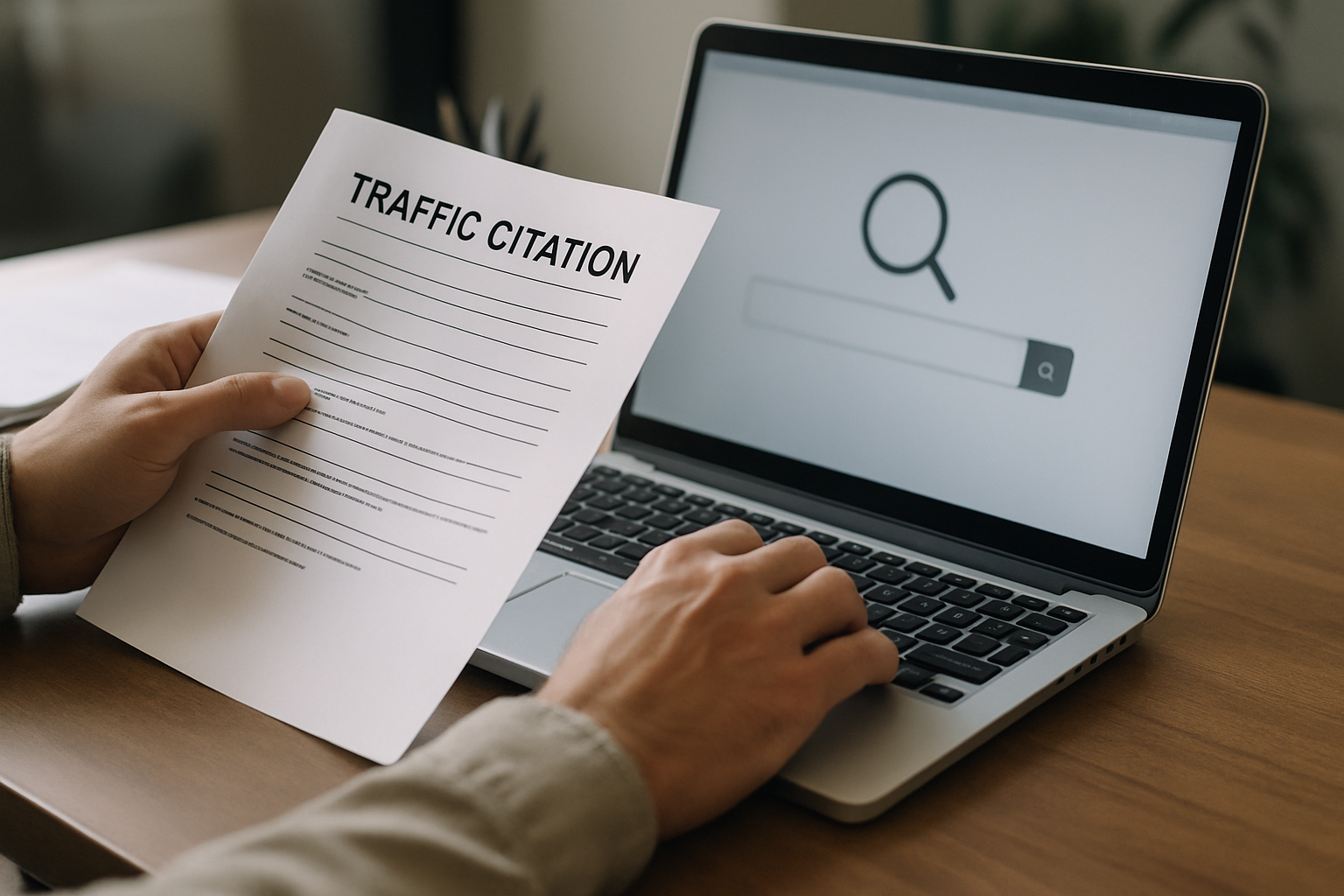
The Basics of Traffic Citations
Traffic citations, often referred to as traffic tickets, are legal notices issued by law enforcement officers to motorists who violate traffic rules. These citations can range from speeding, running a red light, and illegal parking, to more severe offenses such as reckless driving. Understanding the intricacies of traffic citations is essential, as they can lead to fines, points on your license, or even a court appearance if not dealt with correctly. For many, the impulse upon receiving a ticket is panic, which is understandable. However, taking a methodical approach to resolving the citation can often alleviate stress and prevent unnecessary complications.
Why Traffic Citations Matter
Traffic citations have more than just financial implications. Accumulating points on your driver’s license due to traffic violations can result in increased insurance premiums or, in extreme cases, license suspension. Knowing how to find your traffic tickets promptly allows you to address them head-on, possibly mitigating some penalties through timely payments, attendance at traffic school, or contesting the ticket if you believe it was wrongfully issued.
How to Search for Traffic Tickets Online
The advent of digital technology has significantly simplified the process of tracking down traffic tickets. Here are some methods you can use to locate your citation online:
- State DMV Portals: Most states have dedicated Department of Motor Vehicles (DMV) websites where you can perform a traffic ticket search. You’ll often need your driver’s license number or license plate number to access this information. Ensure that you have this information readily available to streamline your search process.
- Court Websites: If you know which court is handling your case—often dictated by where the violation occurred—check their official website. Courts typically offer online services to look up traffic citations. Using this method may also provide information on any court dates or required actions you need to take.
- Third-party Services: There are several online services available that can help you locate traffic tickets. While these services may charge a fee, they often provide a comprehensive view of your traffic history, including any citations you may have overlooked.
Each method has its advantages, and combining them may yield the best results if you’re having trouble finding specific information about a ticket.
Finding Vehicle Owners by License Plate
Situations arise where finding the owner of a vehicle by its license plate becomes necessary. This might be due to involvement in a minor accident with an uncooperative driver or needing to report a vehicle that has been seemingly abandoned.
- Privacy Concerns: It’s crucial to understand that privacy laws in many regions make it illegal to access personal information without appropriate cause or permission. However, there are legitimate ways to access this data.
- DMV Inquiries: Direct inquiry through the DMV is one approach. Typically, you must provide a valid reason for your inquiry, and some states may require you to fulfill specific conditions before access is granted.
- Online Lookup Services: Several websites offer license plate lookup services. While some offer basic information for free, many charge a fee. These services can sometimes provide not just owner information, but also history checks and lien status.
Legal Considerations
While attempting any vehicle owner lookup by license plate, it’s vital to ensure compliance with all legal standards and privacy regulations. Engaging in unauthorized searches can lead to severe legal consequences. Always verify the terms and conditions of any service you use and ensure your inquiry is legitimate.
Tips for Efficient Traffic Citation Management
Being organized and proactive goes a long way in managing traffic citations effectively:
- Keep Records: Maintain a file of all traffic tickets, including paid and unresolved citations. This will help you track any court dates or additional fees.
- Set Reminders: Use digital calendars or apps to set reminders for payment due dates and court appearances. Missing a deadline can lead to additional penalties.
- Challenge Incorrect Citations: If you believe a citation was issued in error, most jurisdictions allow you to contest it in court. Gathering any evidence and witness testimonies in your favor can significantly aid your case.
- Traffic School: In some areas, attending traffic school can dismiss a citation or prevent it from affecting your driving record.
Conclusion
Understanding how to perform a traffic citation search and navigate the intricacies of vehicle owner lookups by license plate is invaluable for any vehicle owner. By following the outlined steps and advice, you can efficiently manage citations and minimize their impact on your daily life. Proactive management of your driving-related responsibilities not only keeps your record clean but also contributes to safer roads for everyone.
Glossary
- DMV: Department of Motor Vehicles, responsible for vehicle registration and driver licensing.
- License Plate: Metal or plastic plate attached to a motor vehicle displaying its registration numbers and letters.
- Traffic Citation: Notice issued by law enforcement to a motorist accused of violating traffic laws.
- Privacy Regulations: Laws designed to protect personal information from unauthorized access or misuse.