How to Dispute a Parking Ticket: A Step-by-Step Guide
Receiving a parking ticket can be a frustrating and costly ordeal, especially if you believe the ticket was issued in error. Whether it’s a citation for an expired meter, an alleged illegal parking spot, or a misunderstanding with the posted signage, the good news is that you have the right to dispute it. However, successfully overturning a ticket requires a solid understanding of the process and some strategic preparation. With detailed steps and proper documentation, it’s possible to challenge a ticket and potentially prevent unwarranted fines. This guide explores each step in detail, equipping you with the knowledge needed to navigate the ticket dispute process effectively.
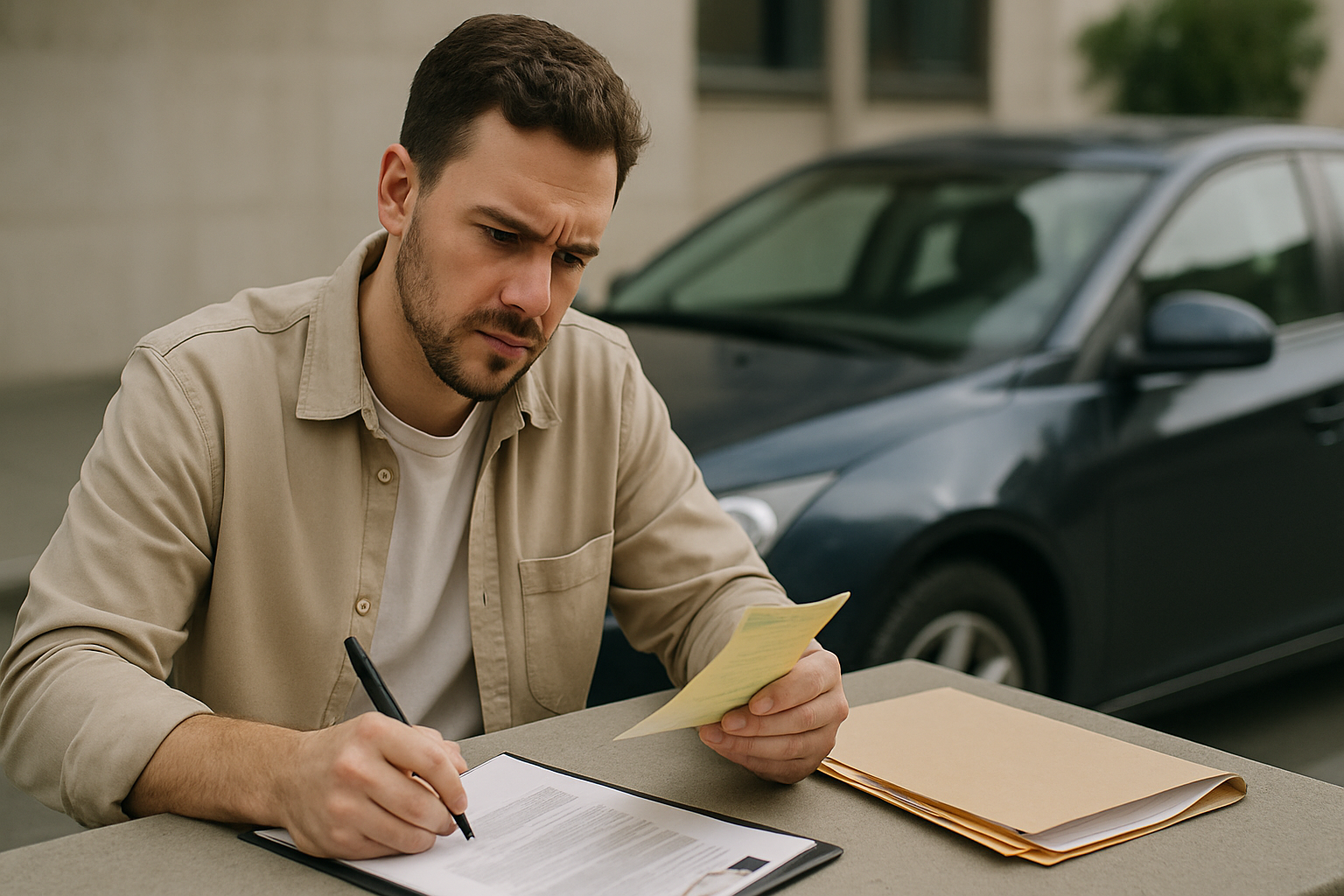
Understanding Your Parking Ticket
The first step in disputing a parking ticket is to scrutinize the ticket you’ve received. Analyzing all the details can help you identify any errors made by the issuing authority. Typically, a parking ticket will include information such as the violation code, date, time, location of the offense, and vehicle details. Confirm that all these details are accurate. If any discrepancies are found, like incorrect dates or your vehicle listed incorrectly, you may have grounds to dispute.
If you’ve misplaced your parking ticket, you might be wondering, “I lost my traffic ticket, what now?” In such cases, many cities provide online portals where you can look up your citation using your vehicle registration details or driver’s license number. Simply search for phrases like “search for my traffic ticket” or “look up my ticket online” to find relevant services on city websites. These portals not only help you retrieve your ticket information but can also provide additional resources for initiating a dispute.
Common Reasons for Disputing a Parking Ticket
There are several valid reasons you could cite when disputing a parking ticket. Understanding these reasons can bolster your argument. Expired Meter: If your meter was broken and wouldn’t accept payment, document this with photos and timestamps. Incorrect Signage: This happens if signs were missing, unclear, or positioned in a way that made it difficult to comply with regulations. Again, photographic evidence can be particularly compelling.
Clerical Errors: Mistakes like wrong vehicle make or an inaccurate license plate number can be enough to get a ticket dismissed. Such errors should be clearly pointed out with supporting evidence. Presence of Special Conditions: Examples include possessing a valid handicapped placard when ticketed or inclement weather conditions mistakenly resulting in a citation.
Each of these points should be supported by solid evidence to back your claim. Take photos that capture the context clearly and gather witness statements if necessary. This documentation will be crucial to your case.
Preparing Your Case
Once you’ve compiled your evidence, it’s time to prepare a written statement. This should be a well-drafted document that explains clearly each reason why you believe the ticket should be dismissed. Begin by citing any factual inaccuracies on the ticket itself, such as incorrect times or other mistakes. Follow this with your evidence of the situation, including photos, receipts for parking fees paid, or documented statements regarding sign visibility.
While preparing your case, it’s helpful to organize it into sections for clarity. Start with an introduction that outlines the dispute, followed by a logical presentation of each piece of evidence and supporting arguments. Conclude with a statement reiterating why the city should overturn the ticket. If applicable, reference laws or regulations that support your claim, as citing regulatory documents can add authority to your argument.
Submitting Your Dispute
Most municipalities now allow you to fight a ticket online. Visit the official city or municipal website and navigate to the traffic or violations section. Here, you can submit your dispute electronically by filling out an online form and uploading supporting documents. Ensure each document is clearly labeled and the information aligns with your written statement.
If online submission is not possible, you may need to present your case at a court hearing. In this scenario, consider whether to seek legal assistance, especially if your dispute relates to a more complex situation, such as a dispute a speeding ticket. Representing yourself can be effective, but be prepared with an organized presentation and answer questions confidently.
Additional Tips for a Successful Dispute
- Maintain Civility: Always be polite and professional in your correspondence with city officials. A respectful tone demonstrates credibility and maturity.
- Follow-up: After submission, follow up politely to ensure your dispute has been received and inquire about the decision process timeline.
- Know Your Rights: Familiarize yourself with local parking laws, which can provide leverage in your argument.
It’s vital to remain persistent but respectful throughout the process. Even if your initial dispute is denied, you often have further avenues of appeal.
Conclusion
Disputing a parking ticket involves understanding the specifics of your situation and leveraging the available resources effectively. The process may require time and patience, but with detailed evidence and a sound argument, you stand a good chance of having your ticket dismissed. By proactively checking citations and understanding how to look up my traffic citation, navigating the dispute process becomes much clearer, empowering you to handle any future tickets with confidence.
Overall, the ability to dispute should be seen as a tool to ensure fairness rather than a guaranteed pardon. And remember, prevention is often the best solution; being aware of and adhering to parking regulations can help avoid tickets altogether.