Dogs and Raw Food: What Every Pet Parent Needs to Know
As a pet parent, deciding on the best diet for your dog can be a challenging choice. With the growing popularity of raw food diets, it’s important to consider both the potential benefits and risks associated with feeding your furry friend such meals. Raw food diets for dogs, often referred to as BARF (Biologically Appropriate Raw Food), are designed to mimic the natural diets of canines in the wild, focusing on raw meat, bones, fruits, and vegetables. Understanding these diets’ components, how to transition into them, and maintaining nutritional balance is essential for the safety and health of your pet.
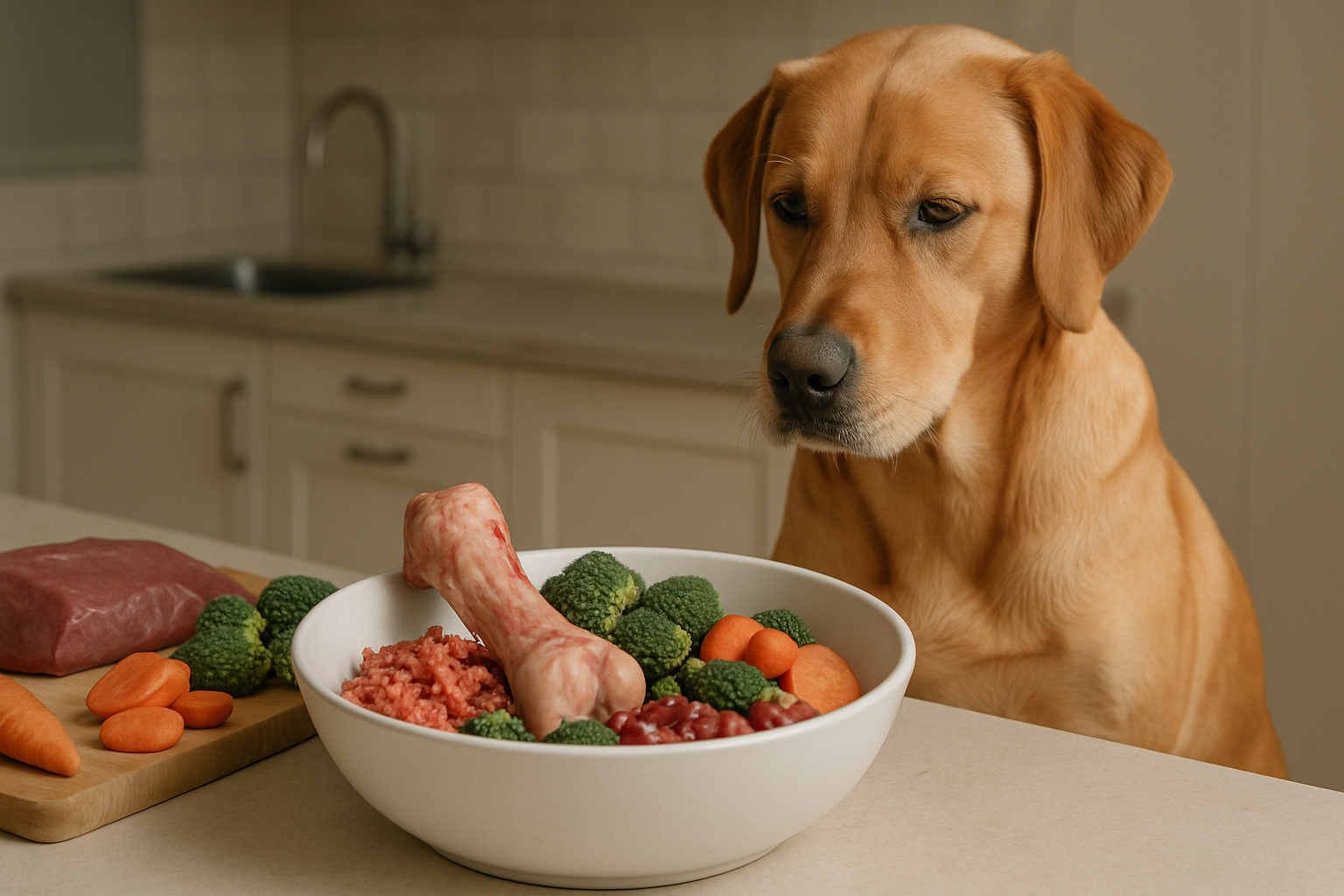
The Appeal of RAW Food Diets for Dogs
Raw food diets have gained popularity among dog owners who wish to offer their pets a diet that closely resembles what their ancestors consumed. Proponents argue that feeding raw food dogs improves their skin and coat health, increases energy levels, and leads to better digestion. Unlike the cooked and processed kibbles that are standard pet fare, raw diets aim to provide a closer-to-nature experience for canines. This dietary approach often consists of raw meat, bones, and a variety of vegetables and fruits, incorporating essential nutrients that some believe are lost through cooking.
One of the main reasons for advocating raw meat dog food is the perceived improvement in dental health. Chewing raw bones is thought to help eliminate tartar and promote good oral hygiene. Additionally, many owners report improvements in their dogs’ temperament and reduction in allergy symptoms, potentially due to a more natural intake of food.
Components of a Balanced Raw Food Diet
Ensuring a well-balanced raw food diet for dogs involves careful selection of ingredients and portions. A typical raw diet will include several components:
- Muscle Meat: This is the staple of the diet and provides necessary protein and amino acids.
- Raw Bones: Important for calcium and phosphorus, but they also serve another purpose—keeping teeth clean and strong.
- Organs: These are nutrient-dense parts of the animal that should make up a smaller part of the diet, offering vitamins and minerals like Vitamin A and D.
- Fruits and Vegetables: While not as popular with some factions of raw feeders, they offer fibre and essential micro-nutrients.
- Supplements: These can be added to ensure the diet is complete, balancing out any nutrients that may be lacking from other components.
For many, the compromise comes in the form of pre-packaged raw dog foods, which are formulated to provide a complete and balanced diet. Such products reduce the preparation work and guesswork involved in balancing a raw diet, making it easier for pet owners while ensuring dogs get the nutrients they need.
Risks and Considerations
Despite the multitude of advantages touted by raw food advocates, potential risks deserve consideration. A primary concern revolves around bacterial contamination. Raw meat products can harbour harmful bacteria such as Salmonella and E. coli, posing a risk not only to the pet but also to humans in the household, particularly if safe food handling protocols are not followed.
Additionally, improper balance in a raw diet can lead to nutritional deficiencies or excesses. Dogs require a certain ratio of calcium to phosphorus for bone health, and if not correctly balanced, can lead to skeletal issues. Furthermore, raw bones, particularly cooked ones, can splinter and cause internal injuries if not carefully selected.
It’s imperative to conduct thorough research and consult with a veterinary nutritionist or a veterinarian familiar with raw diets. This helps in ensuring that your dog’s transition to a raw diet is safe and well-managed.
Finding the Best Raw Dog Food
With an increasing number of products on the market, pet owners may find it challenging to choose the best raw food diet for their dogs. Here are a few tips to guide you through the selection process:
- Research brands thoroughly, checking their sourcing and manufacturing processes.
- Read reviews and seek recommendations from trusted sources or community groups.
- Start with a small amount to test tolerance, and observe your dog’s health indicators closely.
- Consider brands that provide a balanced formula, approved by animal nutrition experts.
Opting for real food dog food offered by established brands can ensure your pet receives a wholesome diet free from fillers and artificial additives, which are common in some commercial dog foods.
Transitioning to a Raw Diet: A Practical Guide
For those ready to make the switch, transitioning to a raw food diet for dogs should be a gradual process. Sudden changes can upset your dog’s digestive system. Here’s a simple, phased approach:
- Introduce Slowly: Mix small amounts of raw food with your dog’s current food, gradually increasing the raw portion.
- Observe Carefully: Monitor your dog’s reaction to new foods. Look for signs of digestive distress or allergies.
- Adapt and Modify: Be flexible and adjust ingredients to suit your dog’s tastes and nutritional needs.
- Maintain Hygiene: Handle raw meats with care, maintain cleanliness, and store them appropriately to avoid contamination.
- Consult Regularly: Keep in touch with your vet to adjust the diet as your dog ages and their nutritional requirements change.
Conclusion and Final Thoughts
The decision to adopt a raw diet for your dog should be guided by thorough research and professional consultations. While such a diet can offer numerous benefits, it requires careful planning and responsibility. By understanding the intricacies of a raw food diet and approaching with diligence, pet parents can provide their dogs with real food dog food designed to enhance their health and well-being. It’s crucial that pet parents remain informed and adaptable to ensure their furry friends thrive on this dietary plan.