Building Your Ultimate Retro Gaming Library in 2026
As we journey further into the 21st century, the charm and allure of retro gaming continue to captivate enthusiasts around the globe. With each pixelated adventure, gamers are transported back to a time when imagination was the only barrier to interactive storytelling. For collectors and nostalgic gamers alike, building a retro gaming library in 2026 offers a delightful blend of challenge and creativity. The vast array of platforms and classic titles, both digital and physical, allows for the ultimate curation of a collection that promises to revive cherished memories. This endeavor not only preserves the rich history of gaming but also provides a modern twist that makes these vintage adventures accessible to new audiences and long-time fans alike.
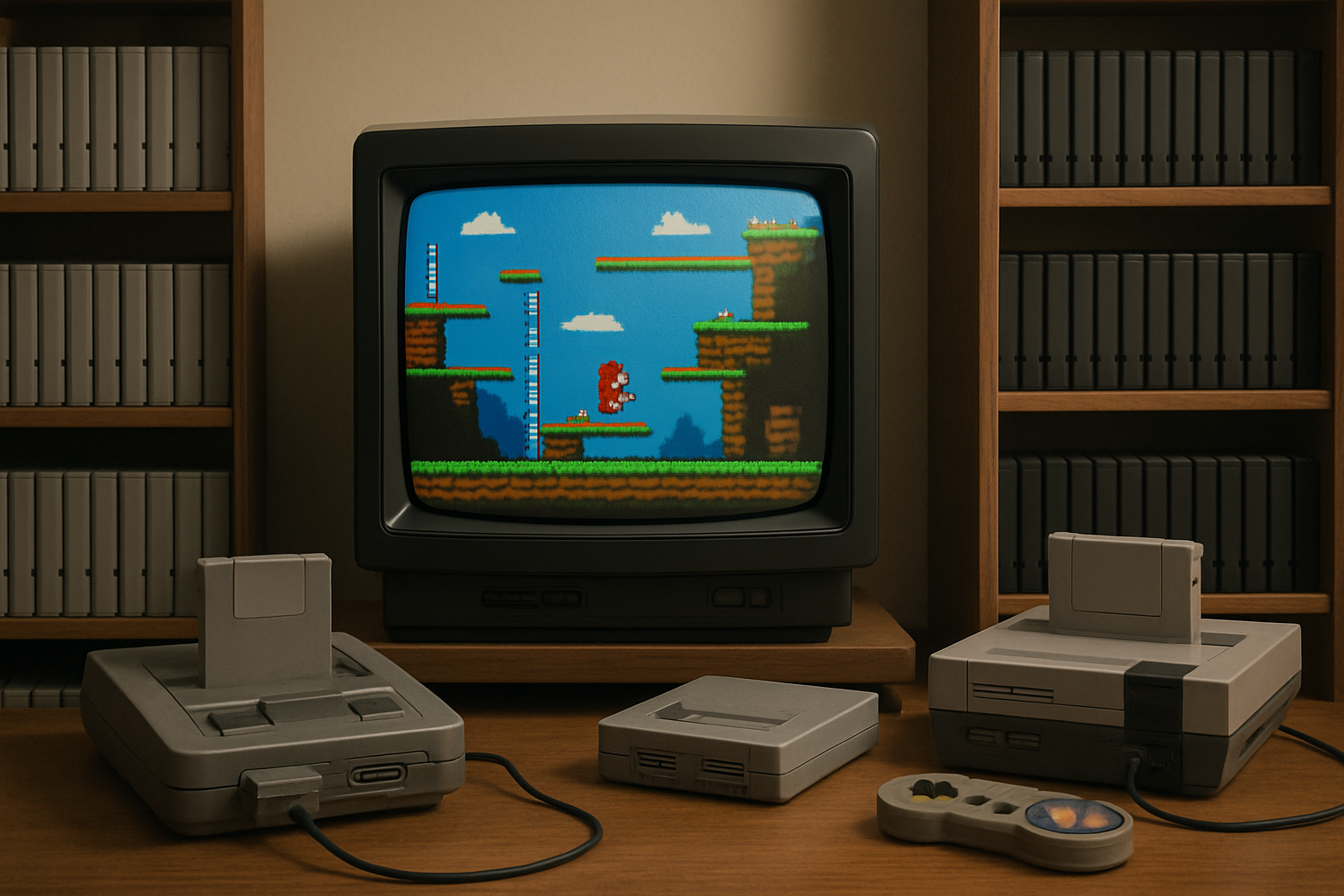
The Essentials of a Retro Gaming Library
Creating an expansive and impressive retro gaming library starts by defining the scope and intent of your collection. Are you aiming to assemble complete series, focus on nostalgia with specific titles, or perhaps seek out the iconic hardware that once defined a generation? Understanding these goals sets the stage for a fulfilling journey. Each component of your collection acts as a time capsule, sparking joy and wonder every time it’s engaged.
Consoles: Consider beginning with the timeless classics. The Nintendo Entertainment System (NES), with its revolutionary games like ‘The Legend of Zelda’ and ‘Metroid,’ represents a starting point for many collectors. The Sega Genesis, celebrated for its fast-paced ‘Sonic the Hedgehog’ series, offers another cornerstone console. These systems not only signify technological milestones but also harbor beloved stories that many gamers fondly remember.
Beyond the mainstream, don’t overlook unique and lesser-known machines that have carved niche followings, such as the TurboGrafx-16 or the Neo Geo, whose exclusive libraries can add an intriguing dimension to your trove.
Games: In pursuit of a comprehensive gaming library, prioritize both rare finds and cultural staples. Golden-age titles like ‘Super Mario Bros.,’ ‘Street Fighter II,’ and ‘Pac-Man’ are essential, but so are cult classics like ‘Chrono Trigger’ and ‘Secret of Mana’ that hold significant value. No retro gaming library is complete without considering the promotional releases, demos, and even beta versions that capture the evolution of gaming development.
Accessories: To truly encapsulate the essence of retro gaming, including original accessories like controllers, joysticks, and memory cards can enhance your experience. The simple act of selecting a character using an 8-bit gamepad connects you directly with the past. Even promotional posters and original packaging can enrich the authenticity of your assembly, turning a simple collection into a tangible historical archive.
Finding and Purchasing Retro Games
Locating iconic and rare gems to bolster your retro gaming library requires a blend of patience, strategy, and finesse. The joy of unearthing a forgotten treasure is unparalleled, whether you seek physical cartridges or digital downloads.
Online Marketplaces: Platforms such as eBay are bustling hubs where enthusiasts buy and sell a wide array of vintage gaming paraphernalia. Review seller ratings and product authenticity to avoid counterfeits. Other websites like Amazon often have sellers offering rare products, though prices can vary significantly based on rarity and condition.
Specialized Retailers and Auction Houses: Websites dedicated to classic games, such as DKOldies or JJGames, focus exclusively on the retro market, providing an array of games and systems from every era. Additionally, auction houses periodically feature video game-themed events where rarities can be found.
Local Shops and Flea Markets: Your local scene might surprise you. Independent game stores often have vintage sections filled with unique finds. Similarly, flea markets and garage sales can yield valuable surprises, often at negotiable prices.
Online Communities: Engaging with forums and social media groups where passionate gamers gather offers insight and opportunities for trade or purchase. Platforms like Reddit or Discord have thriving communities where users exchange, sell, or simply discuss their collections.
Maintaining and Displaying Your Collection
Properly storing and displaying your retro gaming items serves multiple purposes. Not only does this protect your investment, but it also enhances the experience and maintains the allure of your collection. A well-curated display can spark conversations and evoke nostalgia in anyone who sees it.
Storage: To preserve your collection, store games and consoles in a climate-controlled environment, free from extreme temperature fluctuations and humidity. Original boxes, if available, provide excellent protection and authenticity, but customs cases and protective sleeves are also effective in shielding against dust and scratches.
Cleaning and Maintenance: Regular maintenance is key. Cleaning cartridges, discs, and consoles with isopropyl alcohol and soft brushes prevents the accumulation of dust and potential corrosion. For disc-based systems, using a microfiber cloth can help keep the surfaces clean and reduce the risk of skipping or reading errors.
Display: Shelving units, display cases, or dedicated gaming rooms can creatively showcase your collection. Consider categorizing by console type or series for aesthetic appeal and V collecting ease. LED lighting can highlight specific items, while signage or themed décor pieces contribute to creating an immersive atmosphere.
Embracing Emulation and Modern Consoles
While there’s nothing quite like holding the real thing, emulation offers another exciting way to experience classic games. It opens up avenues for exploring rare titles not feasible through traditional means and offers an affordable alternative to acquiring original equipment.
Emulation Software: Programs like RetroArch and OpenEmu allow gamers to play a wide range of console games on modern PCs and Macs, with customizable settings and controller support that can often optimize the original gaming experience. Emulators for consoles like the N64 or Dreamcast can bring beloved titles back to life and provide accessibility for those who otherwise might not have the means to collect.
Modern Consoles: Many new consoles, including the PlayStation 5 or Xbox Series X, offer downloadable retro games. Services like Nintendo Switch Online provide access to extensive libraries containing classic titles, often with added online multiplayer options that were not available in the original versions.
Dedicated Retro Consoles: Devices such as the NES Classic Edition or Sega Genesis Mini consolidate numerous beloved titles into a single piece of hardware. These plug-and-play systems offer an authentic experience for those who might not want to handle aging original hardware or struggle with availability.
Conclusion
Constructing a retro gaming library in 2026 is an endeavor that marries passion with historical appreciation. It’s not simply about collecting items; it’s about preserving vital pieces of gaming tradition and reimagining those electric moments of joy that first drew players into the world of digital entertainment. By carefully selecting and maintaining your collection, you not only invest in a hobby but contribute to the ongoing legacy of gaming culture, crafting a personal archive filled with stories and memories that will continue to ignite the imagination of new generations.