Building the Ultimate Retro Gaming Library: A 2026 Guide
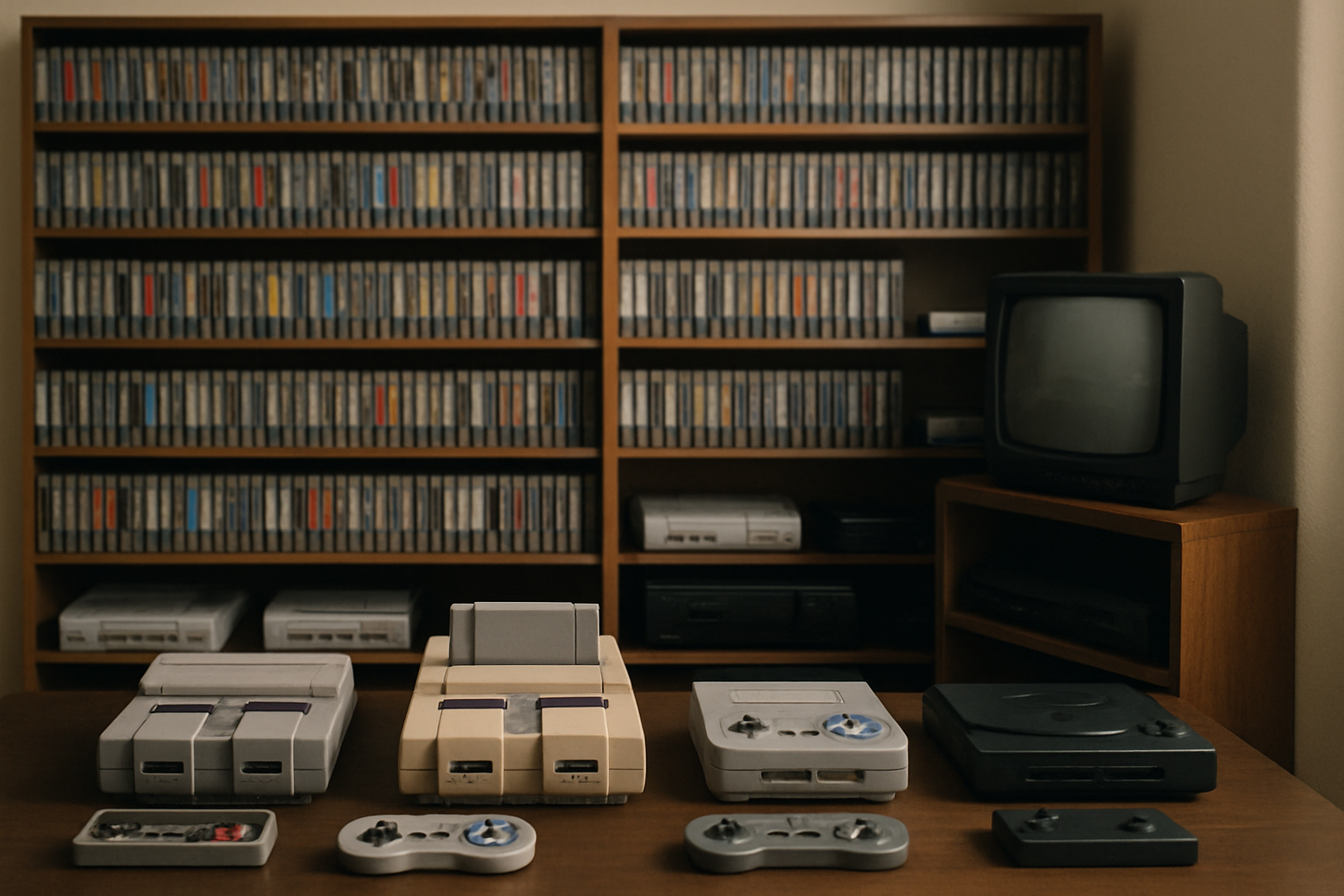
For gaming enthusiasts passionate about the heritage and evolution of digital entertainment, building a retro gaming library is more than just a hobby—it’s a meticulous craft. The fascinating world of retro gaming isn’t solely about collecting; it’s about preserving the nostalgia and celebrating an era that laid the foundation for today’s gaming landscape. As each classic cartridge and vintage console is added, it becomes a part of an intricate tapestry that connects past innovations to present-day marvels, offering new generations a glimpse into the roots of video gaming culture.
Understanding the Appeal of Retro Gaming
There’s a distinct allure in retro gaming that modern-day graphics engines and expansive open worlds can’t quite replicate. For many, the appeal lies in the simplicity and charm of pixelated graphics, alongside storylines that balance creativity and challenge in a way that remains forever engaging. Unlike the detailed, hyper-realistic visuals seen today, retro games offer a whimsical, often abstract art style that entices the imagination to fill in the gaps. This artistic simplicity is coupled with innovative gameplay mechanics that set the standard for what games could achieve.
The auditory experience also plays a crucial role. Eight-bit music tracks, chiptunes, and simple sound effects all contribute to creating atmospheres that have become iconic over time. Having catchy, memorable music accompany your gaming adventures enhances the nostalgia factor considerably, invoking memories of intense battles and victorious triumphs in the digital landscapes of yesteryears.
Selecting Platforms and Titles
When embarking on the journey to build a comprehensive retro gaming library, selecting the right platforms and titles becomes a cornerstone of your collection. Each console from past decades holds its own unique legacy and influence. Starting with the Nintendo Entertainment System (NES), this console not only revived the gaming industry but introduced classics like ‘The Legend of Zelda’ and ‘Metroid’, which paved the way for nonlinear exploration and complex game narratives.
Move a generation forward to the Super Nintendo Entertainment System (SNES), which showcased enhanced graphics and gameplay depth with titles like ‘Super Mario World’ and ‘Chrono Trigger’. Sega, not to be overshadowed, brought us the Sega Genesis, home to ‘Sonic the Hedgehog’ and its fast-paced platforming that gave Mario a run for his coins.
As the 90s progressed, the Sony PlayStation emerged, heralding the era of 3D graphics and expansive storytelling with unforgettable titles like ‘Final Fantasy VII’ and ‘Metal Gear Solid’. Each console and its titles reflect the technological advancements and shifting trends of their time, making platform selection a foundation of any serious retro gaming collection.
Caring for Your Collection
Maintaining a retro gaming library isn’t just about acquisition but also preservation. These classic consoles and games require care to remain functional and enjoyable. Proper storage conditions are critical; cartridges and discs should be kept in environments with consistent temperatures and low humidity levels to prevent deterioration. Dust and grit are common enemies that can damage games over time, so regular cleaning using isopropyl alcohol and soft swabs is recommended for cartridge game connectors.
Meanwhile, disc-based systems demand extra caution to avoid scratches. Microfiber cloths are ideal for wiping off any dust particles. If you’re delving into arcade cabinet collection, be ready to engage in a bit of electronics maintenance to keep them operational. By taking these preservation steps, you’ll ensure that your treasured library remains playable for gaming marathons and nostalgia-fueled weekends.
Embracing Modern Solutions
As technology progresses, so does the means to enjoy our beloved retro classics. Several companies have recognized the growing interest in vintage games and have responded with modern solutions like mini consoles. The NES and SNES Classic Editions, for instance, come preloaded with a selection of popular titles and support modern televisions through HDMI output, allowing you to enjoy retro gaming with the clarity and convenience of current technology.
Emulation is another viable option. This involves using specialized software that mimics the hardware of classic consoles, enabling gamers to play their favorite old-school titles on modern PCs and smartphones. Emulators like RetroArch offer wide compatibility with a range of games and system interfaces. For those who want a hands-on project, the Raspberry Pi presents an exciting opportunity to emulate multiple classic systems with customizable options, giving you a dedicated retro gaming device tailored to your requirements.
Building a Community
Building a collection becomes much more rewarding when shared with like-minded individuals. The retro gaming community is vibrant and welcoming, filled with forums, social media groups, and local meet-ups that provide a platform for gamers to exchange cartridges, network, and discuss their favorite titles. Trading games or peripherals with fellow enthusiasts can often lead to discovering gems you might not encounter otherwise.
Moreover, participating in gaming conventions offers the dual benefits of expanding your library and staying abreast with the latest in retro gaming technology. Many conventions feature panels on game preservation, exhibition booths displaying rare titles, and opportunities to mingle with veteran game designers who share their stories and industry insights.
The Financial Aspect
Managing the costs associated with building a retro gaming library is perhaps one of the most challenging aspects. While some rare titles can demand high prices on the resale market, there are strategies to keep your expenditures manageable. Undertake thorough research to identify games worth investing in both for their monetary and nostalgic value. Markets can fluctuate, so it’s wise to stay informed on current pricing trends through online marketplaces and collector forums.
Frequenting garage sales, flea markets, and thrift stores can uncover affordable treasures and lesser-known titles. These locations often hold hidden gems, allowing you to expand your gaming library without breaking the bank. Establishing a clear budget and sticking to it will ensure that your passion for retro gaming remains a financially sustainable pursuit.
Summary of Key Insights
- Retro gaming offers a unique blend of simplicity, nostalgia, and creative storytelling that modern games occasionally miss.
- Choosing the right platforms and games involves recognizing the technological innovations and transformative periods each represents.
- With proper care and maintenance, your retro collection can provide countless hours of entertainment well into the future.
- Embracing modern solutions like mini consoles and emulators can enhance game accessibility.
- Community engagement enriches the collecting experience with opportunity for discovery and camaraderie among fellow enthusiasts.