A Guide to Home Help Services: Navigating Your Options
As we journey through life, maintaining independence becomes increasingly significant, particularly for senior individuals. Navigating the world of home help services is paramount for many seniors aiming to remain in the comfort of their homes. These services, ranging from basic household assistance to comprehensive personal care, empower the elderly to cherish their independence whilst receiving essential support tailored to their needs.
The Essentials of Home Help Services
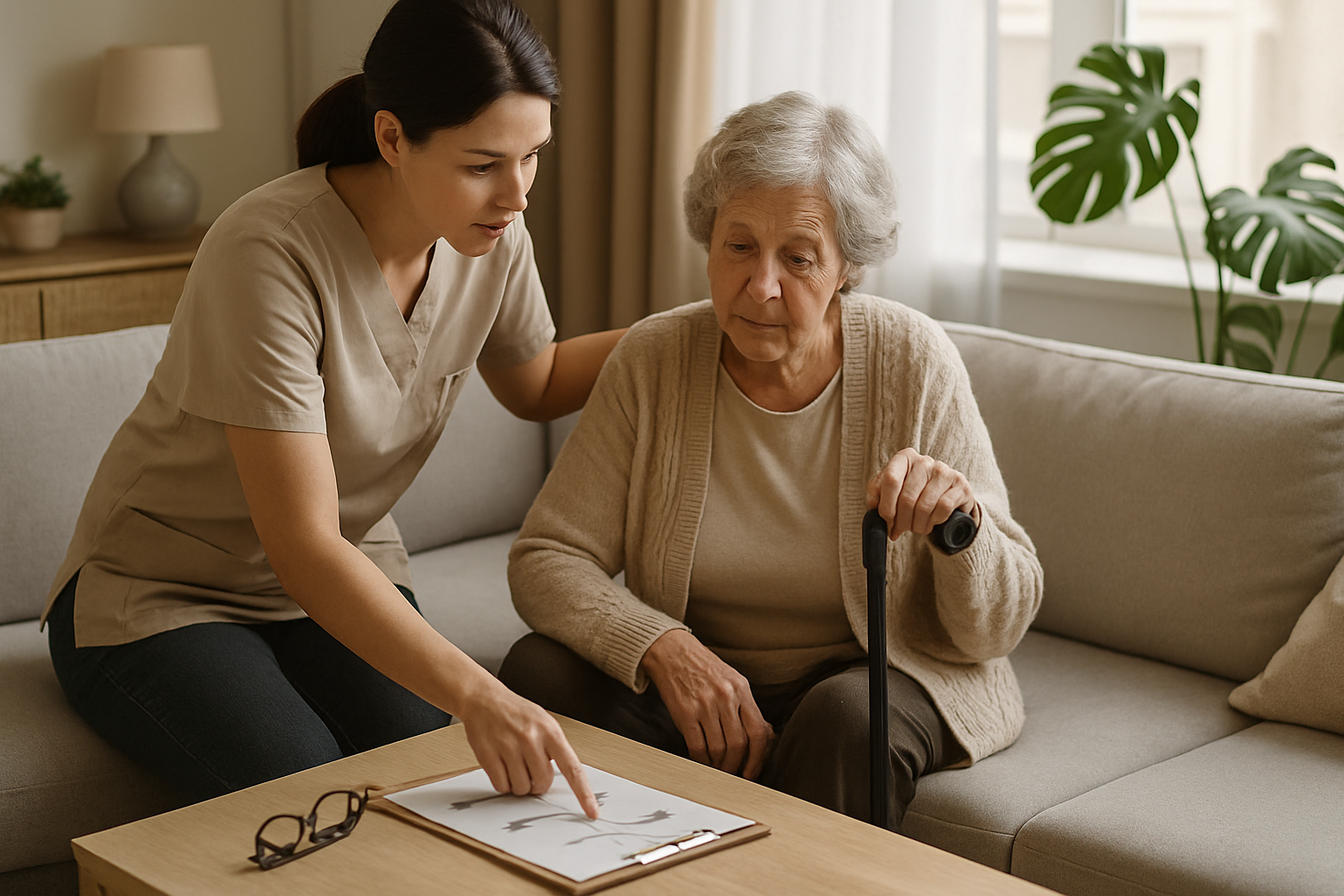
Home help services are designed to assist seniors in living comfortably and independently within the familiar surroundings of their homes. These services cover a wide array of needs—from basic housework and meal preparation to complex personal care requirements—and are pivotal for seniors who seek to retain a sense of independence while receiving necessary care.
Whether you’re considering home care help for a loved one or examining options for yourself, the priority is to ensure that the assistance provided is both comprehensive and personalised. Home help for seniors can alleviate the familial burden and contribute to the overall wellbeing of the elderly individual.
Types of Home Help Services Available
1. Basic Household Assistance
Seniors often require aid with routine household tasks that become challenging with age. Basic household assistance encompasses services such as cleaning, meal preparation, and laundry. This type of home help for elderly ensures that day-to-day house maintenance does not become a burdensome task, thereby preserving the senior’s energy for activities they enjoy.
Moreover, having a clean and organised living space can significantly impact an individual’s mental health and quality of life, contributing to a more harmonious living environment.
2. Personal Care Services
Personal care is a more intimate level of service, focusing on the physical wellbeing of the client. This often includes help with bathing, dressing, grooming, and medication management. For seniors with mobility issues or medical conditions, having a professional carer ensures they maintain proper hygiene and health.
The presence of a skilled carer not only provides physical support but also emotional comfort, easing the stress that daily personal care tasks can impose on both the elderly and their families.
3. Companionship and Social Interaction
For many seniors, loneliness can be a significant issue, particularly for those who live alone or far from family. Companionship services provide regular visits and social interactions, helping to alleviate feelings of isolation. This service might include activities such as playing games, going for walks, or simply enjoying a cup of tea and conversation.
Loneliness can have severe consequences on health; thus, ensuring regular social interaction is not just about emotional wellbeing, but also about maintaining physical health and preventing conditions like depression.
4. Specialized Health Care
This includes services provided by qualified health professionals, such as nurses or therapists, who can administer medication, monitor health conditions, and offer rehabilitation therapies. Specialized health care services are crucial for individuals with chronic health conditions or those recovering from surgery.
Having access to health professionals at home eliminates the hassle of frequent travel to healthcare facilities and provides peace of mind to families knowing that professional care is readily available.
Making the Right Choice
Selecting the right home help service is essential and involves evaluating the specific needs and capabilities of the senior. It’s important to distinguish between temporary needs—such as short-term help after an illness—and ongoing support for conditions like dementia. Consider developing a personalised care plan that outlines the needs and preferences of the elderly individual.
Researching home help care services providers is crucial. Look for testimonials, ask for referrals, and ensure potential carers are fully vetted with appropriate background checks and training verification. A good fit will foster a trusting relationship between the senior and their carer, enhancing the care experience significantly.
Private vs. Public Home Help
The decision between private and public home help services largely hinges on personal circumstances, financial considerations, and the range of services required. Private home help services are often more flexible, allowing families to choose specific carers and customise services to better fit individual needs. This personalised service does, however, come with a higher cost than public services.
Alternatively, public home help is typically funded by local authorities and may have eligibility criteria. While more cost-effective, it might not offer the same level of personalisation and choice of caregivers. Evaluating the pros and cons of each option can help families make informed decisions that best suit their needs and budgets.
The Financial Aspect of Home Help Services
Understanding the financial implications of home help services is vital. Costs vary significantly based on the level of care and the type of service provider. Private services generally have higher costs, but many families find the personalised care worth the investment for peace of mind and quality of life improvements.
Conversing with potential service providers about pricing and payment options is recommended. Some agencies offer sliding scale fees, subsidies, or payment plans to alleviate financial burdens. Furthermore, checking eligibility for government aid or grants can provide additional financial relief.
Navigating Support in Your Area
Choosing the right provider involves searching for home help for the elderly near me and evaluating what local services offer. Regional differences can impact availability and cost, so conducting thorough local research is beneficial.
Engage with community forums, seek recommendations from friends or family, and consider reaching out to senior centres for suggestions. The ultimate goal is to ensure timely and adequate support, allowing seniors to enjoy their daily lives with minimal disruption.
Conclusion
Home help services stand as a lifeline for seniors striving to maintain autonomy while accessing essential care. Comprehensive understanding and thoughtful selection of these services ensure that the elderly can lead fulfilling lives within their homes. As families explore options, using resources wisely and embracing professional guidance can greatly enhance the quality of life for their elderly loved ones.