A Guide to CPD Accredited Courses
In an ever-evolving job market, staying relevant is an ongoing challenge that professionals across industries face. Continuous Professional Development (CPD) accredited courses have become increasingly popular for those seeking to enhance their skills, increase their job prospects, and gain a competitive edge. These programs offer a structured path for self-development, meeting the needs of a dynamic and demanding professional landscape. Whether you are a budding project manager or a seasoned digital marketer, CPD courses are remarkably versatile and cater to a wide range of professional ambitions.
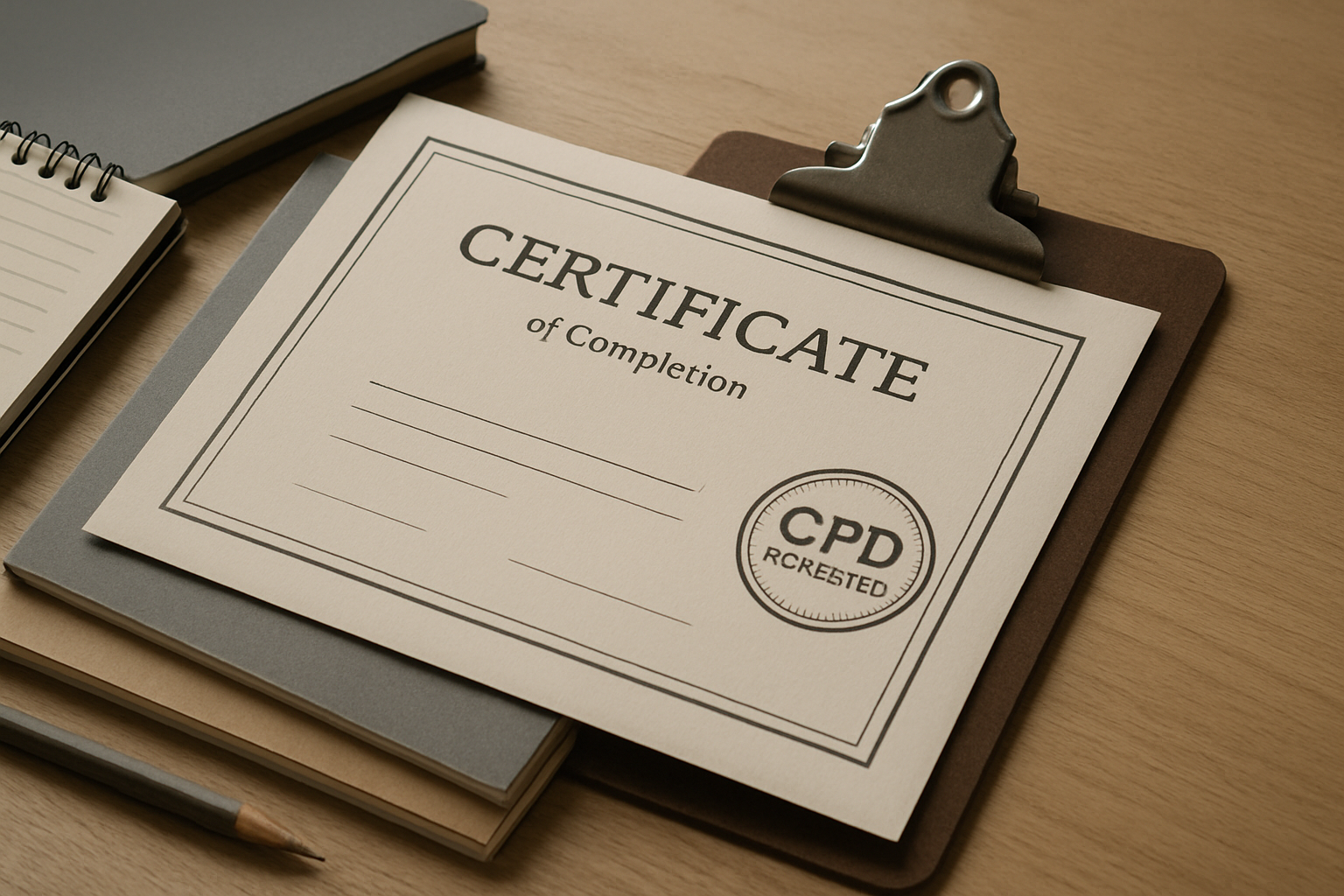
Understanding CPD Accredited Courses
CPD accredited courses are more than just learning pathways; they represent a commitment to lifelong learning and adaptability in a world where industries and technologies evolve rapidly. These courses provide participants with relevant skills and knowledge, keeping them informed about the latest industry trends. The structured approach of CPD encompasses a wide variety of learning formats, offering options that cater to different learning preferences and time constraints. From webinars and workshops to online modules and practical assessments, CPD ensures that learning is accessible to everyone, regardless of their scheduling challenges.
The Core Benefits of CPD
The advantages of enrolling in CPD accredited courses are multifaceted. Firstly, such courses reinforce professional credibility. By continuously updating your skills, you demonstrate a proactive stance towards personal and professional growth. Secondly, CPD fosters career development. By learning new skills and upgrading existing ones, you become more competitive in the job market, opening doors to promotions and new responsibilities. Additionally, CPD helps maintain professional standards across industries, allowing individuals to connect with peers and gain insights into best practices. Ultimately, CPD is about commitment to excellence, making it an invaluable element of a successful career trajectory.
Key Areas for CPD Courses
The versatility of CPD courses is evident in the variety of fields they encompass. Project management courses online, for instance, are designed to equip future managers with essential skills in planning, executing, and overseeing projects. These courses often cover areas like risk assessment, team leadership, and resource management, all crucial for a competent project manager.
Business and Management
For those pursuing traditional paths, a business and management course offers in-depth knowledge about organizational structures, financial planning, and strategic decision-making. Such courses are particularly beneficial for individuals aiming to occupy senior managerial roles, as they emphasize both theoretical and practical understanding.
Digital Marketing and Online Strategies
With the internet becoming an integral part of consumer interaction, digital marketing classes and online marketing courses have grown in popularity. These courses focus on strategies for digital branding, social media engagement, and search engine optimization (SEO), equipping students with the skills necessary to thrive in the online marketplace. Understanding digital analytics and consumer behavior also forms a significant component of these courses, empowering marketers to tailor their strategies effectively.
Cyber Security
In our increasingly digital world, the demand for skilled cyber security professionals has soared. Consequently, cyber security courses online are essential for those wanting to secure digital infrastructures. These courses typically include training on network security, threat analysis, and compliance standards, all vital in safeguarding sensitive data from cyber threats and breaches.
Strategies for Choosing the Right CPD Courses
Selecting an appropriate CPD course requires careful consideration of several factors. Firstly, it is crucial to identify your career goals and how these align with the course’s objectives. Are you looking for advancement in your current field, or are you considering a career switch? Understanding these goals can help narrow down the course options.
Next, evaluate the course content and its relevance to industry standards. A well-structured syllabus that covers fundamental and advanced topics can significantly enhance your learning experience. Additionally, ensure that the course is accredited by a recognized professional body, which guarantees that the program meets high-quality educational standards and offers recognized qualifications upon completion.
Implementing CPD in Your Career
Integrating CPD into your professional life is not just about ticking off a box. It’s about embedding a culture of growth and improvement within your workflow. By setting aside dedicated time for hr courses online or any other CPD programs, you ensure that your skills remain current and that you continue to meet the evolving demands of your industry. Successful professionals often document their progress and reflect on their learning, which not only aids memory retention but also helps in practical application.
Conclusion
In summary, CPD accredited courses serve as a crucial component of professional success. By taking advantage of these learning opportunities, such as an MBA degree online or a specialized people management course, individuals invest in their future, gaining skills that are not only applicable in the workplace but also essential for career advancement. Engaging in CPD is more than just an academic endeavor; it is a strategic approach to lifelong learning and professional excellence.
Glossary
- Accreditation: The formal recognition that a course meets established standards.
- CPD: Continuous Professional Development, ongoing training to enhance professional skills.
- Digital Marketing: Strategies for promoting products or services using digital channels.
- SEO: Search Engine Optimization, the practice of increasing the quality and quantity of website traffic.
Disclaimer
Disclaimer: The information provided in this article is for educational and informational purposes only. It does not constitute professional advice. Readers should conduct their own research and consult with qualified professionals before making any decisions.